What Does 10 of the Best Raspberry Pi Zero Projects So Far Do?
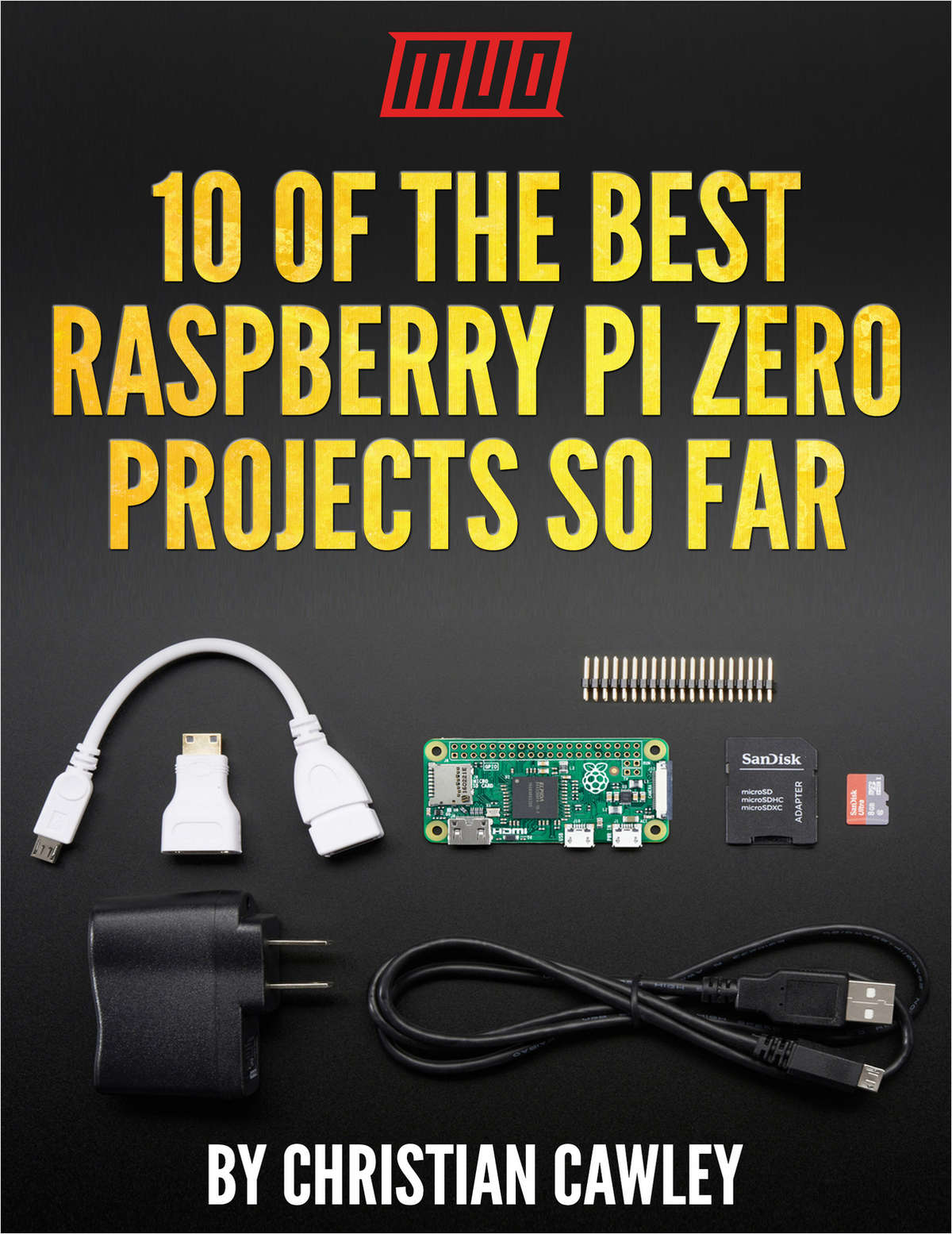
The Raspberry Pi Zero represents a significant shift in single-board computing. Measuring 65mm by 30mm, this $5 device prioritizes a minimal footprint over integrated connectivity. While it lacks the full-size USB and Ethernet ports found on larger models, its compact nature has fostered a new wave of highly portable DIY electronics and embedded systems.
To maintain its slim profile, the board utilizes a mini-HDMI port and micro-USB sockets for both power and data. Users generally require adapters or soldered headers to interface with standard peripherals. Despite these hardware constraints, the Pi Zero has become a cornerstone for developers looking to integrate processing power into restrictive physical spaces where traditional boards would not fit.
For those who have acquired the hardware, several implementation paths provide a functional starting point. Common projects leverage the device’s 40-pin GPIO header for automation or utilize its small size for wearable technology. Potential applications for the device include:
- Building miniature retro gaming handhelds
- Creating Internet of Things (IoT) environmental sensors
- Setting up dedicated network-wide ad blockers
- Developing low-cost security camera systems
These curated projects demonstrate the versatility of the platform. By focusing on low-power consumption and physical efficiency, the Pi Zero remains a viable tool for engineers and hobbyists seeking to minimize the scale of their hardware deployments.
Top 5 Reasons To Download 10 of the Best Raspberry Pi Zero Projects So Far
- Unmatched Portability for Stealth and Space-Saving Projects
- Exceptional Value for Money in Computing
- Infinite Versatility Across Multiple Hardware Disciplines
- Superior Energy Efficiency for Long-Term Remote Use
- A Curated Roadmap to Mastering Single-Board Computing
If you have been following the evolution of the maker movement over the last decade, you know that the Raspberry Pi Foundation changed the world when they released their first credit-card-sized computer. But even that revolution felt like a preamble once the Raspberry Pi Zero hit the scene. For the price of a fancy latte, we were suddenly handed a fully functional Linux computer that could fit inside a matchbox. However, as any enthusiast will tell you, hardware is only as good as the projects you build with it. That is exactly why this giveaway—a comprehensive guide to ten transformative Raspberry Pi Zero projects—is an essential download for anyone from the curious tinkerer to the seasoned engineer.
The Raspberry Pi Zero is a masterclass in minimalist design, but it presents a unique set of challenges. It lacks the full-size USB ports and the Ethernet jack found on its larger siblings, requiring a bit of ingenuity and the right set of instructions to truly unlock its potential. This giveaway doesn't just give you ideas; it provides a blueprint for overcoming the hardware limitations of the Zero to create something truly spectacular. Let’s dive deep into the five core reasons why you need to grab this guide today and start your journey into the world of ultra-compact computing.
1. Unmatched Portability for Stealth and Space-Saving Projects
The primary reason the Raspberry Pi Zero became an instant legend is its form factor. Measuring just 65mm by 30mm, it is roughly half the size of a standard Raspberry Pi Model B. In the world of tech DIY, size is everything. When you are building a wearable device, a hidden security camera, or a handheld gaming console, every millimeter matters. This giveaway focuses on projects that specifically leverage this "zero" footprint, showing you how to tuck a computer into places you never thought possible.
Think about the implications for "Stealth Tech." Because the Pi Zero is so thin and light, it can be embedded into everyday objects without altering their outward appearance. You could build a smart clock, a digital photo frame that updates via Wi-Fi, or even a specialized environmental sensor that sits discretely on a bookshelf. Standard computers, even small ones like the Raspberry Pi 4, require bulky cases and significant cooling. The Zero, however, can often run without a fan and fits into slim, 3D-printed enclosures that can be taped, glued, or magnetized to almost any surface.
Furthermore, the portability factor extends to the field of "pocket computing." Many of the projects highlighted in this giveaway explore the idea of a computer you can carry with you at all times. Whether it’s a portable hacking station or a mobile media server, the Zero’s ability to vanish into a pocket or a small bag makes it the ultimate companion for the tech-savvy nomad. By downloading this guide, you are learning the art of miniaturization, a skill that is becoming increasingly valuable as we move toward an Internet of Things (IoT) dominated world.
2. Exceptional Value for Money in Computing
We live in an era where high-end smartphones and laptops cost thousands of dollars. The Raspberry Pi Zero turned that economy on its head by launching at a $5 price point. While the "Zero W" (the version with Wi-Fi) is slightly more, the core philosophy remains the same: democratizing access to powerful computing. This giveaway is the perfect companion to such an affordable piece of hardware because it ensures that you don't waste a single cent of your investment.
The "Value" of the Pi Zero isn't just in the purchase price; it's in the low cost of failure. When you are working with an expensive desktop or a $100 microcontroller, you might be hesitant to solder components or experiment with high-voltage sensors for fear of "bricking" the device. With the Pi Zero, that barrier is gone. This giveaway encourages a culture of experimentation. Because the hardware is so inexpensive, you are free to push the boundaries, try complex wiring diagrams, and engage in "destructive testing" that would be unthinkable with more expensive gear.
Moreover, the projects listed in the giveaway are designed to be budget-friendly. They don't require you to go out and buy hundreds of dollars in peripheral equipment. Instead, they focus on using the Zero's GPIO (General Purpose Input/Output) pins to interact with simple LEDs, buttons, and sensors. The guide teaches you how to maximize the utility of a $5 board, effectively turning it into a device that performs tasks usually reserved for much more expensive proprietary systems. It is the ultimate "life hack" for the budget-conscious tech enthusiast.
3. Infinite Versatility Across Multiple Hardware Disciplines
Don't let the small size fool you. The Raspberry Pi Zero is a "real" computer running a "real" operating system (usually a version of Debian Linux). This means it can do almost anything a larger PC can do, provided you know how to configure it. The giveaway guide highlights ten projects that span a massive range of disciplines, from retro gaming and home automation to network security and media streaming.
One of the most popular uses for the Zero is the creation of a "RetroPie" station. Because the Zero is powerful enough to emulate classic consoles like the NES, SNES, and Sega Genesis, you can use the guide to build a gaming rig that fits inside an original game cartridge or a tiny handheld case. But the versatility doesn't stop at entertainment. The guide also touches on the Zero's potential as a "Headless" server. Since the Zero doesn't need a monitor or keyboard once it's set up, it can function as a dedicated Pi-hole (to block ads across your entire home network), a VPN server, or a lightweight web server.
The magic lies in the 40-pin GPIO header. This is the interface that allows the Pi Zero to talk to the physical world. By following the projects in this giveaway, you learn how to bridge the gap between software (code) and hardware (physical objects). You could be writing a Python script one minute and wiring up a motion-activated camera the next. This cross-disciplinary approach is what makes the Pi Zero so addictive. It isn't just a computer; it's a brain that you can transplant into any mechanical body you can imagine.
4. Superior Energy Efficiency for Long-Term Remote Use
In the world of "always-on" technology, power consumption is a major hurdle. If you want to build a weather station that sits in your backyard or a security sensor that monitors a remote shed, you can't exactly run an extension cord across the lawn. This is where the Raspberry Pi Zero shines. It consumes significantly less power than the Raspberry Pi 3 or 4, making it the ideal candidate for battery-powered or solar-powered applications.
The projects included in this giveaway take this efficiency into account. You will learn how to set up the Zero in a way that minimizes power draw, allowing it to run for days or even weeks on a standard USB power bank. This opens up a world of "off-grid" computing. Imagine a "Time-Lapse Camera" that you can leave in the woods to capture the changing seasons, or a "GPS Tracker" for your bicycle that doesn't need to be recharged every five hours. The Zero’s low thermal output also means it doesn't require heavy heatsinks or noisy fans, allowing for completely silent operation in a bedroom or office environment.
By mastering the Pi Zero through this guide, you are also learning about sustainable tech. You learn how to optimize code to reduce CPU load and how to disable unnecessary hardware components (like the HDMI output) to save every possible milliamp of current. This knowledge is essential for the future of green technology and DIY electronics. The giveaway provides the starting point for building sophisticated devices that leave a minimal energy footprint.
5. A Curated Roadmap to Mastering Single-Board Computing
Perhaps the most compelling reason to download this giveaway is the "Curated Experience." Let's be honest: the internet is a messy place. If you search for "Raspberry Pi Zero projects" on Google, you will be bombarded with thousands of results, many of which are outdated, overly complex, or poorly documented. For a beginner, this "information overload" can lead to frustration and a half-finished project sitting in a drawer.
This giveaway cuts through the noise. It provides a structured, step-by-step roadmap through ten high-quality projects that have been vetted for success. As a tech reviewer, I see a lot of "guides" that are just lists of ideas. This is different. This giveaway offers actual instruction. It assumes you have the hardware and the passion but might need a little help with the execution. By following a curated list, you build your skills progressively. You might start with a simple LED project to get comfortable with the Linux terminal, and by the end of the guide, you’re configuring a networked media server.
Furthermore, the Raspberry Pi community is one of the most vibrant and helpful in the world. However, to join that community effectively, you need a foundation of basic knowledge. This guide provides that foundation. It teaches you the "language" of the Pi—how to navigate the command line, how to flash an SD card, and how to troubleshoot common connectivity issues. Once you have completed the ten projects in this giveaway, you won't just have ten cool gadgets; you will have the confidence to dream up and execute your own unique inventions. You are downloading a specialized education that would normally take dozens of hours of trial and error to acquire on your own.
Conclusion: Why You Should Act Now
The Raspberry Pi Zero remains one of the most significant achievements in the history of personal computing. It represents the idea that technology should be accessible, affordable, and adaptable to the user's needs. However, the hardware is just a piece of silicon and plastic without the "software" of human imagination. This giveaway is the spark that ignites that imagination. It bridges the gap between having a tiny computer and having a functional, impressive piece of custom technology.
Whether you are a student looking to learn Python, a parent looking for a weekend project to do with your kids, or a professional developer looking for a low-cost prototyping platform, the Raspberry Pi Zero is the answer. And this guide—featuring ten incredible, diverse, and practical projects—is the key to the ignition. In the fast-paced world of tech, opportunities to get curated, high-value information for free are rare. Don't let your Pi Zero sit in its box gathering dust. Embrace the challenge of the limited ports, utilize the power of the compact form factor, and transform your digital life by downloading this giveaway today. Your next great invention is only a few clicks away.
The Raspberry Pi Zero is more than a $5 computer; it is an invitation to innovate. With this guide in your hands, you have everything you need to accept that invitation and start building the future, one tiny project at a time.


Reviews for 10 of the Best Raspberry Pi Zero Projects So Far
Click Here to Read Reviews for 10 of the Best Raspberry Pi Zero Projects So Far >> Click Here to Submit Reviews for 10 of the Best Raspberry Pi Zero Projects So Far >>